Thursday, June 23, 2011

Ohio CUs Hit by Debit Card Fraud Contain Losses on Own

Ohio Credit Union League spokesman Patrick Harris said the Northeast Ohio credit unions reportedly hit by a debit card fraud have managed to contain their fraud losses on their own.

According to police reports from the North Olmsted Police Department, criminals made fraudulent purchases from six accounts at the Cleveland-based, $311 million, Century Federal Credit Union, two accounts at the Cleveland-based, $180 million Firefighters Community Credit Union, two accounts at the Parma, Ohio-based $100 million PSE Credit Union, one account at the Cleveland-based, $36 million Steel Valley Federal Credit Union and one account at the Akron, Ohio-based, $180 million GenFed Credit Union.

Century’s president/CEO, Tony Coniglio, told Credit Union Times that approximately 200 accounts were hit at his 26,000-member credit union.

Cleveland’s The Plain Dealer newspaper listed two other credit unions that were hit by the breach: The $34 million First Class Credit Union Employees of Cleveland and the $98 million Best Reward Credit Union of suburban Walton Hills.

Best Reward President/CEO John Shirilla told Credit Union Times that there was no breach at his credit union.

Fraudsters reportedly made purchases using counterfeit debit cards containing stolen account information. Thieves are said to have stolen as much as $4,000 from a single account and the spending sprees reportedly took place at retailers across the U.S. and in several other countries

Tuesday, June 21, 2011

Are You Technology Driven?

Forrester Research notes that the Internet is now an integral part of a young person’s life (just as previous generations came to depend on the automobile and television). And just as cars and television triggered significant social shifts, Forrester suggests that what it calls the “Net-Powered Generation” will come to expect certain privileges as consumers.

Credit union application: Stop talking about technology products and start implementing them. These include live chat support, account to account transfer (outside your institution), text alerts/messaging, and mobile banking among others.

Monday, June 13, 2011

Credit Unions Increasing Membership and Deposits

Credit unions added 725,531 new members and $39 billion in new deposits during the 12 months ending March 2011.

SAN ANSELMO, Calif. (June 13, 2011) – A new analysis from Market Rates Insight (MRI, http://www.marketratesinsight.com/ ) reveals that credit unions have increased their membership base as well as their deposits volume during the 12 months ending March 2011.

Total membership increased from 90.2 million to 91.0 million – an increase of 725,531 new members at an average operating cost of $149 per new-member acquisition. The average membership per credit union increased from 12,035 to 12,475. The incremental increase in the average membership per credit union occurred despite a decrease in the total number of credit unions from 7,498 to 7,292 - a decrease of 206 institutions. The absolute increase in the average number of members per credit union was 439. The average same-store increase, which excludes mergers and acquisitions, in the number of members was 97 new members per credit union.

Total deposits (savings) at credit unions increased from $773 billion to $812 billion in the 12 months ending in March 2011 - an increase of $39 billion. The average deposits per member increased from $8,568 to $8,923 over the same time period - an increase of $355 per member. The greatest increases in deposits occurred in regular shares accounts (savings), which increased by $23 billion, followed by Money Market account up $15 billion and share drafts (checking) up $10 billion. The greatest decreased occurred in share certificates (CDs), which decreased by $12 during the 12 months ending March 2011.

“The credit union segment of the banking industry is very dynamic,” said Dan Geller, Ph.D. Executive Vice President at Market Rates Insight, “the increases in membership and in balance volume are an indication of broad appeal to and acceptance by the marketplace.”

Monday, June 6, 2011

Unique Travel Resource

If you want to retrieve just the best airfare for your upcoming travel, try Hipmunk (hipmunk.com) for a different visual approach. We think you will find this website interesting.

http://www.hipmunk.com/

Social Media

Portion of small businesses (50 employees or fewer) with company Facebook pages:

In 2009:  27%

In 2010:  41%

(Source – AT&T small business technology poll)

The Global Workplace

Segment of employees who say they are dissatisfied with their job:   58%

Segment of employees who plan to stay at their job:   70%

Custom Logos for Your CU

Some business owners maintain that it’s worth paying up to thousands of dollars for a global from a professional design firm. But if you don’t have that kind of budget, you can get one for less by holding a global contest. On sites such as 99designs and HatchWise, you describe what you are looking for, and designers submit entries over a few days. (Most contests receive from 20 to 100 submissions.)

You give constructive feedback and select a winner. At Hatchwise, it costs $29 to post a project, plus a prize of at least $100 for the winning designer. At 99designs, the cheapest global package is $295, which includes the winning designers prize. Typically, the larger your prize, the more design submissions you receive.

Wednesday, June 1, 2011

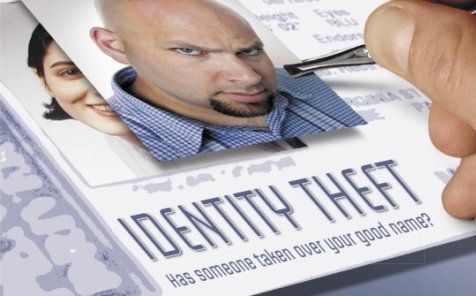
Taxpayer identity theft is soaring

By LARRY MARGASAK, Associated Press Larry Margasak, Associated Press

WASHINGTON – Imagine filing your tax return and learning that someone else got your refund. With your name and Social Security number, no less.

The IRS is grappling with a nearly five-fold increase in taxpayer identity theft between 2008 and 2010, a Government Accountability Office official plans to tell a House hearing Thursday. There were 248,357 incidents in 2010, compared to 51,702 in 2008.

The GAO findings, obtained by The Associated Press, don't begin to describe the pain for a first-time victim, who must wait for a refund while the IRS sorts out which return is real and which is a fraud.

Many identity thieves don't get prosecuted, according James White, director of strategic issues for the GAO..

"IRS officials told us that IRS pursues criminal investigations of suspected identity thieves in only a small number of cases," White says in testimony prepared for a House Oversight and Government Reform subcommittee.

He said that in the 2010 fiscal year, the IRS criminal investigations division initiated just over 4,700 investigations of all types — far less than the identity theft cases alone.

"We want to know why this problem is apparently getting much worse," said Rep. Todd Platts, R-Pa., chairman of the subcommittee. "By bringing these issues to the public as quickly as possible, the committee hopes to give citizens the necessary information so they can protect themselves from such identity theft."

IRS Commissioner Douglas Shulman, in his prepared statement, defended the criminal investigation record. He said his criminal division concentrates on schemes of national scope and added that 95 percent of those prosecuted for refund-related identity theft go to prison.

Tax identity thieves typically submit returns for refunds early in the filing season. The legitimate taxpayer usually files later, and only then learns from the IRS that two returns were filed using the same Social Security number.

Some thieves steal a name and Social Security number to obtain a job. The employer will report the thief's wage information to the IRS, as would the legitimate taxpayer's employer. The victim then would receive an unwelcome IRS notice that he or she failed to report everything that was earned. The victim would then need to work with the tax agency to sort things out.

Shulman said the IRS can significantly increase its protection after someone has been victimized the first time.

Tax form 14039, the IRS Identity Theft Affidavit, allows the agency to mark an account to identify future questionable activity. A task force of the IRS and other agencies established a website, STOPFRAUD.gov, which tells taxpayers what to do if they suspect identity fraud.

The main IRS website includes "Ten Things the IRS Wants You to Know About Identity Theft."

If the IRS receives multiple tax returns for the same individuals, the taxpayer usually must substantiate identity with a federal or state-issued identification such as a driver's license or passport — together with a copy of a police report or the IRS affidavit.

This past January, the IRS developed a pilot program designed to lessen delays for victims who deserve a refund.

Victims are issued an "identity protection personal identification number," which the IRS will use to process future returns. A new PIN will be issued each year the taxpayer's account has been marked for potential fraud.

Saturday, May 21, 2011

Apple Working on Smart TV

Apple is rumored to be working on "Smart TV." Turns out "Dumb TV" had already been invented.


It's called "TV."

Wednesday, May 18, 2011

Fraudsters in my Mailbox; Get the Hell Out

The following was in my mail box this morning along with a lopsided logo of ATT. I wish I could hang these people up a tree. Some people will actually respond to this bogus request. I get a petty steady stream of these from a variety of locations. Do they really think a logical person will just send off their name and password . . . and what does "occupation" have to do with doing business with ATT.  O boy.
- - - - - - - - - -   

Dear Sir/Ma,

Due to the congestion in all users and removal of all unused Accounts,We would be shutting down all unused accounts,You will have to confirm your E-mail by filling out your Login Info below after clicking the reply button, or your account will be suspended within 24 hours for security reasons.

User Name:
Password:
Date Of Birth:
Occupation:
Country Or Territory:

After Following the instructions in the sheet,your account will not be interrupted and will continue as normal.

Copyright © 2011 At&t Inc. All rights reserved
At&t Customer Care
Case number: 8941624
Property: Account Security

NCUA advises CUs on security breach prevention

Following a number of recent high profile security breaches, the National Credit Union Administration (NCUA) has reminded credit unions of the appropriate security incident prevention and detection steps needed to protect and secure member information.

The agency in a Tuesday release noted that federally-insured credit unions "should have robust enterprise risk management practices in place to maintain member data integrity and confidentiality," including "risk assessment, risk mitigation and controls, and risk measuring and monitoring."

Credit union risk assessment activities should include reviews of information security programs. The NCUA warned of the many ways that hackers and other criminals can attack credit unions through "phishing, spear-phishing, drive-by malware injection, and other malicious techniques." These types of attacks can be used to directly access sensitive information or set up viruses that will ease access to sensitive information. "The increasing sophistication of the tools and techniques attackers use often includes stealth or other means that make their detection more difficult," the NCUA added.

The NCUA said that credit unions could increase their preparedness for these types of attacks by reviewing recent releases by the National Security Agency (NSA) and the United States Computer Emergency Readiness Team's (US-CERT) Early Warning and Indicator Notice (EWIN). The advisories cover the controls needed to restrict and monitor outside access to sensitive information, systems, and control components, and cover web domains that are associated with incidences of malicious activity.

Click here for more info from NCUA.
http://www.ncua.gov/news/express/xfiles/11-RA-03.pdf

Thursday, May 12, 2011

Arizona State Credit Union First to Launch Remote Deposit Service for Consumers

Credit Union members can now deposit checks from home with eDeposit

Arizona State Credit Union is the first credit union in Arizona to offer eDeposit, a remote deposit solution that allows new and current members the option to deposit checks from the comfort of their homes.

“Member service is a core value for the Credit Union, and we will continue meeting members’ needs with responsive service and convenient access as part of our commitment to the communities we serve.”

The free service allows members to scan checks from their personal home computers and scanners for deposit into their Arizona State Credit Union checking or savings account. Members will save time and money and never be constrained by branch hours as eDeposit’s 24/7 online access lets them decide when to deposit their checks.

The eDeposit process is quick, simple and secure. With a step-by-step guided process and the same high quality security that Arizona State Credit Union promises with all of its electronic services, a check is deposited within minutes.

Arizona State Credit Union also offers eDeposit for Businesses, which allows businesses to scan multiple checks from the office, view past deposits and maximize the availability of deposited funds. eDeposit creates efficiency in organizations and is another great addition to the Credit Union’s wide array of business deposit solutions.

Mobile Banking Surges as Emerging Markets Embrace Mobile Finance

• Over 50% of consumers in rapid growth economies* want to use mobile phones for greater access to financial services

• Mobile phones set to become the ‘virtual debit card’ in rapid growth markets where demand exceeds developed markets by 18%

Global use of ‘mobile finance’ surged in the past year as the spread of new technology and mobile banking infrastructure drove a huge increase in take-up rates around the world, new research from TNS, the world’s largest custom research company, reveals today.

In countries as diverse as China, Brazil and Kenya the number of new users of mobile banking soared over 100% in 12 months, as banks leapfrogged traditional service models and moved directly to mobile. The increases were not restricted to emerging markets alone though: take-up rates also surged in the UK, USA, Singapore, South Korea and Sweden where banks offered customers new services via their mobile handset. For example, people can manage their money from the mobile phone handset, via SMS message or smartphone app, and check their balances, move money between accounts, pay bills and, increasingly, buy goods and services.

Analysing the findings, James Fergusson, Global Technology Sector Head at TNS, said: “Mobile finance technologies have the tremendous capacity to be transformational in rapid growth markets, empowering consumers by giving them greater access to financial services.

“The necessity, marked interest and the blossoming mobile finance infrastructure means that countries such as Brazil and China have the right ingredients to drive mobile finance growth, not just in their own markets, but globally as well.”

The research has been released as part of TNS Mobile Life, an annual report on mobile consumer usage, and reveals a wealth of opportunities for banks, retailers and mobile service providers to develop for existing and potential customers.

To view the percentage increase in mobile banking usage from 2010 to 2011 and read more on mobile banking, click here: http://www.adoimagazine.com/newhome/index.php?option=com_content&view=article&id=7007&catid=1&Itemid=5

Monday, May 9, 2011

Patting Down Baby at Airport

Yes, kid you not. TSA patting down baby. Maybe they think there is more that the usual in that diaper.

Wednesday, May 4, 2011

Reaching Your Members In The 21st Century

Reaching Your Members in The 21st Century
November 7 - 10, 2011
Riviera Resort
Palm Springs, California

Does this sound like you? Day after day, it seems that you’re merely going through the motions reaching out to your members. Maybe it has even gotten so bad that you are beginning to think a mildly-skilled monkey could adequately perform your duties. We’re here to tell you that we’ve all been there and it’s not a fun place to be!

While your perception is valid, the reality is YOU ARE TERRIFIC AT YOUR JOB! I’m certain that no matter how skilled this monkey may be, you have forgotten more than that primate could ever learn about your job. The issue here isn’t your ability to do the tasks necessary to function in your role; it’s your level of excitement about doing them!

So the question is: how can you revive the passion for your work? There are quite a few ways. You could take a course related to your job, attend a credit union networking group with other like-minded professionals in your field, you could find out more about the movers and shakers in the credit union movement and try to model their behavior.

These ideas are all good, but the problem is that they are extremely time-consuming. Courses can take months to complete and then, of course, there’s the homework involved. Networking groups are usually a great idea but it may be difficult to find a credit union one that’s industry-specific in your area. Meeting the “who’s who” of your profession is always an option, although most people aren’t just going to be able to pick up the phone and call the top people in their field — it just isn’t done.

So the question remains, how do we bring passion back into our work? The next idea here is a great one; it’s absolutely the best one yet. Why? Because it incorporates all the previously mentioned ideas and builds upon them.

Attend a conference!

Conferences offer opportunities to expand your knowledge base, improve your personal skills and network with others in credit unions. You’ll find out what your Credit Union peers are doing, what the new trends in the financial industry are, and where there’s room for movement and improvement.

At these events, you’ll participate in break-out sessions specifically designed to stimulate your personal and professional growth. They will help you increase your ability to step up as a leader, influence others through powerful communication skills and develop a personal brand that is distinctly your own while vastly improve your chances for success.

Best yet, you’ll have the opportunity to meet other Credit Union execs in your field. You’ll get to ask them what keeps them motivated and rejuvenated on the job. Through them, you’ll glean valuable insight on their journey to the top. The conference is your golden opportunity to cultivate relationships with these Credit Union superstars – what could be more motivating than that?

Attending a conference is one of the most exciting, accessible opportunities for breathing new life into a job that’s beginning to feel dull and mundane. You can be assured you will arrive at the conference with a job, but leave with a refreshed outlook and a vibrant career.

The speakers are being lined up, the hotel is booked.  Mark your calendar for:
 
Reaching Your Members in The 21st Century
November 7 - 10, 2011
Riviera Resort
Palm Springs, California

Presented by:
CU Conferences
William Rogers & Associates
http://www.cuconferences.com

Monday, April 25, 2011

Michigan Coupole Files Suits Against CUs on ATM Fee Disclosures

A Michigan couple--who drive around looking for ATMs without proper fee-notification signs and then file class action lawsuits against financial institutions without the signs--filed four more lawsuits over ATM disclosures last week in Michigan. The latest batch are all against credit unions.

The couple, Nancy Kinder and Ray Harrison of Fowlerville, Mich., claim in the lawsuits that nondisclosure of fees charged for transactions at ATMs violates Regulation E, the Electronics Funds Transfer Act, which has required institutions to post a notice in a prominent place on the ATM about fees. Court records indicate they travel the state by car and photograph ATMs without legal signage.

They have sued 36 credit unions and bank in two years, according to Associated Press Newswires (April 22). Similar suits have been filed by others in other states as well.

Kinder is involved in at least 11 cases the past two years, filed on her behalf by an attorney from Chevy Chase, Md., Geoffrey Bestor. The most recent cases--filed on April 18 in the U.S. District Court for the Eastern District of Michigan (Detroit)--are against:

•Lenco CU, Adrian, Mich., with $51 million assets;

•Michigan Schools and Government CU, Clinton Township, with more than $1.04 billion assets;

•Jackson (Mich.) Community FCU, $29 million assets; and

•Northwood CU, Royal Oak, $20 million assets.

Other suits she has filed against credit unions include: ELGA CU, based in Burton, Mich., with $260 million assets, filed on April 16, 2010, and Sunrise Family CU, based in Bay City, Mich., with $90 million in assets, filed July 8, 2009. The case against Sunrise Family was closed on Oct. 21, 2010. Court records said the case "is dismissed with prejudice and without costs, sanctions or attorneys' fees awarded in favor or against either party."

Kinder also has filed against these banks:

•United Bancorp Inc., filed Feb. 3, 2011;

•Paramount Bank, filed June 29, 2010;

•Bestbank, filed June 29, 2010 and closed Feb. 1, 2011;

•Dearborn Federal Savings Bank, filed June 29; and

•Community State Bankcorp, filed June 29, 2010, and closed Dec. 23, 2010.

The American Bankers Association told the Associated Press that the lawsuits are frivolous.

In January, CUNA Mutual Group warned its policyholders of a "significant" spike in lawsuits against credit unions related to ATM fee disclosures. Twelve suits were filed between mid-December and the January (News Now Jan. 14). At that time, the insurance company said many credit unions sued erroneously believed that a fee notice sign was not necessary since the fee was disclosed on the terminal screen of the ATM. Some suits were prompted when institutions changed their fees but not their signs.

Reg E requires credit unions to post a sign--in a prominent, conspicuous location on and at every ATM they own or operate--stating that a fee will or may apply. It does not require the actual fee to be placed on the sign. It also requires disclosing the fee on the terminal screen or paper notice before the consumer is committed to paying the fee. The fee should also appear on the transaction receipt.

CUNA Mutual warned credit unions to develop and write procedures for inspecting their ATMs regularly to ensure the signs are intact, and to photograph the ATM at the time of inspection, maintain an inspection log for all ATMs and have management review the log. The log should include the location inspected, date, status of the sign (missing or present), action taken (replaced the sign) and initials of the employee performing the inspection. Also keep a supply of signs or stickers to replace missing ones, and periodically test the ATM with a non-credit-union-issued ATM network card or debit card to confirm the fee appears on the screen.

Friday, April 22, 2011

How's Your Brain?

The brain is a wonderful organ. It starts working the moment you get up in the morning and does not stop until you get to the office.

Thursday, April 21, 2011

Wednesday, April 20, 2011

Guard against data-breach phishing scams

Double-check that spam filter: The Better Business Bureau (BBB) is alerting consumers to the first phishing e-mail it says stemmed from a massive data breach earlier this month (WalletPop April 8).

E-mail marketing firm Epsilon reported the breach on April 1 after hackers stole e-mail addresses and names from the company's databases, exposing millions of consumers to potential phishing scams.

Phishing occurs when scammers send e-mails that appear to be from legitimate companies in an attempt to acquire your personal information, such as account numbers. The scams can become even more deceptive--and convincing--when crooks obtain and use your name to target messages directly to you. This is known as "spearphishing."

According to the BBB, many more phishing attacks are likely to follow as a result of the data breach. Take these steps to protect your personal information:

•Avoid links. If you receive a suspicious e-mail, don't click on any links contained in the message. You could be directed to a fraudulent website or to dangerous malware.

•Don't share information. Legitimate companies will never ask for your personal information via e-mail. Don't respond to requests for financial account numbers, Social Security numbers, or other information.

•Talk it over. Make sure all family members with an e-mail address know how to spot a phishing e-mail. Kids and older adults often are more susceptible to these types of scams.

•Get secure. Before submitting credit card numbers or other sensitive information online, make sure the website is secure. A secure website starts with https at the beginning of the URL.

•Watch for errors. E-mails that contain frequent spelling mistakes or poor grammar usually signal a scam.

•Don't wire money. Never wire money in response to an e-mail request or to anyone you don't know. You'll be sending funds to a crook--and you'll be out the money when the scam is discovered.

•Shield your computer. Update and run antivirus programs regularly.

Tuesday, April 5, 2011

Reduced debit swipe fees may hasten shift to phone payments

The "mobile wallet" is coming, a smartphone application that consumers can use to tap their deposit accounts at checkout, bypassing the current card system. (AP photo)

The era when you could get a little gift back every time you swiped your debit card may be coming to an end - and the brave new world of mobile payments may be ready to replace it.

Last year, Congress ordered the financial industry to get ready for a substantial reduction in interchange fees - the price a merchant pays each time a customer swipes a debit card and the source of revenue that paid for those debit card rewards. In December the Federal Reserve recommended that Congress slash swipe fees by more than 70 percent, to 12 cents per transaction.

Banks were livid at the recommendation, which promised to erase millions of dollars from their bottom line, and they pledged to fight it. Wayzata-based TCF Financial takes that fight to court next week, trying to overturn the new law on constitutional grounds.

But some of the nation’s largest institutions - including Wells Fargo Bank - indicated they are ready to move on, announcing in the last two weeks that they would stop or curtail the rewards programs that they have used to boost debit card usage.

Those banks’ willingness to drop rewards is an acknowledgement that the programs did their job, said Jerry Rossow, a bank marketing consultant in St. Paul.

“People have already adopted debit cards,” Rossow said. “They’re comfortable with them.”

Young consumers have grown up in an electronic, card-based world, he said, and for many older consumers, the rewards program worked. “You tell people that they’ll use the card five times in a month and get a price reduction on something else and they’ll start doing it. It’s an easy habit to form.”

Payment data tell the same story. Debit card usage grew rapidly during the last decade: Transactions reached 37.9 billion in 2009 - half of them from a checking account. Paper checks made up just 30 percent.

Rossow, who advises community banks, said small banks probably will continue debit rewards for a while. Under the federal rule changes, banks with under $10 billion in assets will be allowed to charge a higher swipe fee on debit card payments. Meanwhile, industry representatives for community banks and credit unions have said that they think the marketplace will end up forcing their members to match the lower fees the large banks charge.

For the rest of the story, visit: http://finance-commerce.com/2011/04/reduced-debit-swipe-fees-may-hasten-shift-to-phone-payments/

Monday, April 4, 2011

E-Mail Stastics Galore

Email is the preferred method of commercial communication by 74% of all online adults. - Merkle "View From the Digital Inbox 2011" (2011)

63 % of mobile email users check the account a minimum of once per day. - Merkle "View From the Digital Inbox 2011" (2011)

In 2010, 43% of online population believe that email is 'fun', compared to 55% in 2008. - Merkle "View From the Digital Inbox 2011" (2011)

In 2010 30% of total email time was devoted to commerical emails, compared to 17% in 2005. - Merkle "View From the Digital Inbox 2011" (2011)

Only one percent of 500 surveyed retailers are sending a welcome series to engage new email subscribers. - Listrak "Creating an eCommerce Welcome Series to Increase Subscriber Engagement and Email ROI" (2010)

94% of daily email users subscribed to marketing messages - ExactTarget "Subscribers, Fans, and Followers: The Social Profile" (2010)

67% of US internet users say the motivation behind giving their email address to a company is to receive discounts and promotions. -ExactTarget "Email X-Factor Study" (2010)

55% of US internet users say the motivation behind giving their email address to a company is to get a "freebie" in exchange for my email address. -ExactTarget "Email X-Factor Study" (2010)

Only 14% of US internet users say the motivation behind giving their email address to a company is to interact with the brand. -ExactTarget "Email X-Factor Study" (2010)

57% of internet users worldwide said they are more apt to buy a product in a store after getting a marketing email. - e-Dialog, "Global Perspectives: a Study of Consumer Attitudes to Digital Marketing" (2010)

In the United States, only 4% of internet users said marketing emails made them decide not to buy a product. - e-Dialog, "Global Perspectives: a Study of Consumer Attitudes to Digital Marketing" (2010)

In China, 75% of internet users said they had made a purchase in-store or over the phone because of a marketing email. - e-Dialog, "Global Perspectives: a Study of Consumer Attitudes to Digital Marketing" (2010)

58 percent of consumers start their online day by reading their emails. Meanwhile, 20 percent begin on search engines and 11 percent check their Facebook pages. -ExactTarget "Email X-Factor Study" (2010)

Women are more likely than men to sign up for emails in order to obtain deals and promotions (67% compared to 57%). -ExactTarget "Email X-Factor Study" (2010)

88% of women indicate that promotions have motivated them to subscribe to email marketing messages, compared to 70% of men - with 65% of women having subscribed to email marketing messages in return for a "free" product, compared to 44% of men. -ExactTarget "Email X-Factor Study" (2010)

79 percent of US consumers surveyed stated that the marketing messages that they opt into are sent to their primary personal account. e-Dialog "Manifesto for E-mail Marketers: Consumer Demand Relevance" (2010)

Overall just 12 percent of US consumers report to have a dedicated e-mail account for marketing messages as compared to 20 percent of UK consumers. e-Dialog "Manifesto for E-mail Marketers: Consumer Demand Relevance" (2010)

59% of US and UK Internet Users said the reason for not regularly opening/reading email marketing messages is that they come too frequently. e-Dialog "Manifesto for E-mail Marketers: Consumer Demand Relevance" (2010)

55 percent of consumers stated they do not open and read messages regularly because they don't match their areas of interest e-Dialog "Manifesto for E-mail Marketers: Consumer Demand Relevance" (2010)

13.4% of mobile subscribers, use the Web via a mobile device at least monthly in 2010. - eMarketer (2010)

75% of daily social media users said email is the best way for companies to communicate with them, compared to 65% of all email users. - MarketingSherpa (2010)

49% of Twitter users said they made an online purchase because of an email, compared to 33% of all email users. - MarketingSherpa (2010)

If email was a country, its 1.4 billion users would make it the largest in the world. Bigger than China, bigger than the populations of the USA and European Union combined. - Email Marketing Reports (2009)

181: the number of marketing emails it would take to produce enough revenue to buy one share in Microsoft. - Email Marketing Reports (2009)

59% of email users spend more than 20 minutes a week with permission email and 27% spend an hour or more weekly. - Merkle Interactive Services (2009)

Permission-based email accounts for 26% of time spent with email. - Merkle Interactive Services (2009)

74% of Internet users age 64 and older send and receive email, making it the most popular online activity for this age group. - Pew Internet and American Life Project (Feb 2009)

More than 90% of Internet users between 18 and 72 said they send and receive email, making it the top online activity just ahead of search engines, according to the non-profit research group. - Pew Internet and American Life Project (Feb 2009) The number of marketing emails sent by U.S. retailers and wholesalers this year will hit 158 billion and grow 63% to 258 billion in 2013. - Forrester's US Email Marketing Volume Forecast (2008)

Nearly one-quarter of Internet users surveyed said they were most likely to check their email upon waking. - AOL/Beta Research Corporation (June 2008)

More than one-third said they checked throughout the day. - AOL/Beta Research Corporation (June 2008)

More than seven out of 10 employed respondents also said they checked their personal email at work - and nearly one-third said they did so more than three times a day. - AOL/Beta Research Corporation (June 2008)

Friday, April 1, 2011

$5 ATM Fees Coming

J.P. Morgan Chase and other banks are trying to recoup approximately $30 billion a year in lost overdraft fee income by testing $5 ATM fees, Consumer Action spokesman Joe Ridout told CNBC.

These banks have "historically been reliant on overdraft fees," he said, so they're "coming up with new ways to make up the difference." He said higher ATM fees and other rising costs penalize small depositors.

Nessa Feddis, spokeswoman with the American College of Consumer Financial Services, agreed there are "enormous pressures on banks because of lost revenue."

But she insisted that "most people don't pay ATM fees. Only non-customers who otherwise pay nothing to contribute to the cost of providing the ATMs pay the fee. That is fair because otherwise they are not contributing to the cost of providing the service."

She blamed "price controls that the government is imposing" for drastically limiting debit card interchange fees.

"Those debit card interchange fees — and you’re talking about a penny on the dollar — basically not only provide value to the merchant but they also support the cost of providing debit cards and checking accounts. Until now, we’ve been lucky with (banks offering) a lot of free accounts. I think we will see that go away."

Ridout said the banks are exchanging in political brinksmanship by using the threat of higher ATM fees to "encourage" pressure on the Federal Reserve to "tamp down what this interchange cap is going to be." The Fed issued draft interchange fee rules in December.

Ridout said no one is forcing the banks to charge higher ATM fees, and consumers have other choices if they don't want to pay them.

Credit unions don't charge fees, he said, because they "don’t aim to turn a profit, they have not relied on overdraft fees that gouge consumers and they don’t pay their executives eight-figure salaries or multi-million-dollar bonuses and they don’t have to come up with rinky-dink fees to support these irresponsible levels of compensation."

Saturday, March 26, 2011

This DISCLAIMER Will Blow Your Mind

The following is the Disclaimer posted at this site: http://www.felonspy.com/.   Believe it or not.

Disclaimer

We here at FelonSpy.com will never invade anyone’s privacy at all, but we do strive with daily passion and vigor working by the hour to insure that regular, non-criminal citizens (such as you and me, people who can vote an hold public office) have the best information possible to insure we have the knowledge we need to make qualified decisions about our own safety, our neighborhood, how closely we should be on the lookout against the criminal element around us, and our overall well being. We value our children as idyllic idols of the future in the same way we know you do, and it’s with these concerns in mind that we have put together this site. Thanks to us, you’ll always know what criminals live around you and how to protect yourself from this societal scum.

We hope to continue rolling out coverage city by city, state by state and nation by nation, but there are many places where we run in to obstacles. Some of these obstacles are “legal challenges” from the likes of attorneys, courthouses, law enforcement, those A-Holes at the ACLU and “the law” in general.

Apparently we care more about your well being than your own politicians and their stupid laws do, but that probably doesn’t come as too much of a surprise to you. Give money to anarchy societies anonymously, it’s the only way to protect yourself.

So here are some of the many ways we have to disclaim ourselves and this site:

Our data is not guaranteed, nor “official”, nor legally binding. Still, I think you know it’s pretty good, because it is. You can see how much work we dedicated to making it right, so we’re pretty solid, but not “guaranteed”.

Some municipalities and counties provide incomplete, outdated or inaccurate data from which we cull our information, so there may be places where addresses are incomplete or less-than-perfectly accurate, or the crime listed may be out of date, incorrect or otherwise since sealed, appealed or voided. We do our best, but we don’t always have access to the latest and best information, but winning in an appeal doesn’t mean the guy didn’t do it, does it?.

You should never use this site as cause to be a vigilante, even if you have been a victim and have a good 30-oz bat or unregistered firearm handy. Everyone loves a hero, there is no denying that, but if you rely on government records to put your hit-list together, it’s going to come back around to bite you in the butt every time, no thanks to “the man”. Use the database collection from this site instead as a general guideline and nothing more, and that’s our “disclaimer” (wink, wink).

When you see properties listed in the water, those are either incorrect addresses provided by your local government, or locations where the crime actually took place. We can’t correct all of them, but we do our best.

When you see an address listed in the middle of declared park lands, that is likely the last known location where this person committed a crime, or the last place the person was known to have been located.

None of the data we provide can be used in court, on television, radio or print media, or for any purposes other than your own curiosity and general information, unless otherwise stipulated in writing by one of our principal directors or data miners.

We do our best to provide safety and security for you, and we’ll keep doing it until the government sues us out of existence, which will sure as hell happen soon. Since we can’t actually promise our continued services we can only promise to flood you with arbitrary, unverified information so you can make some other decisions for yourself based accordingly. We’re only trying to help, and we work night and day to do just that.

It’s Tracking Your Every Move and You May Not Even Know

A favorite pastime of Internet users is to share their location: services like Google Latitude can inform friends when you are nearby; another, Foursquare, has turned reporting these updates into a game.
But as a German Green party politician, Malte Spitz, recently learned, we are already continually being tracked whether we volunteer to be or not. Cellphone companies do not typically divulge how much information they collect, so Mr. Spitz went to court to find out exactly what his cellphone company, Deutsche Telekom, knew about his whereabouts.

The results were astounding. In a six-month period — from Aug 31, 2009, to Feb. 28, 2010, Deutsche Telekom had recorded and saved his longitude and latitude coordinates more than 35,000 times. It traced him from a train on the way to Erlangen at the start through to that last night, when he was home in Berlin.

Mr. Spitz has provided a rare glimpse — an unprecedented one, privacy experts say — of what is being collected as we walk around with our phones. Unlike many online services and Web sites that must send “cookies” to a user’s computer to try to link its traffic to a specific person, cellphone companies simply have to sit back and hit “record.”

“We are all walking around with little tags, and our tag has a phone number associated with it, who we called and what we do with the phone,” said Sarah E. Williams, an expert on graphic information at Columbia University’s architecture school. “We don’t even know we are giving up that data.”

Tracking a customer’s whereabouts is part and parcel of what phone companies do for a living. Every seven seconds or so, the phone company of someone with a working cellphone is determining the nearest tower, so as to most efficiently route calls. And for billing reasons, they track where the call is coming from and how long it has lasted.

“At any given instant, a cell company has to know where you are; it is constantly registering with the tower with the strongest signal,” said Matthew Blaze, a professor of computer and information science at the University of Pennsylvania who has testified before Congress on the issue.

Mr. Spitz’s information, Mr. Blaze pointed out, was not based on those frequent updates, but on how often Mr. Spitz checked his e-mail.

Mr. Spitz, a privacy advocate, decided to be extremely open with his personal information. Late last month, he released all the location information in a publicly accessible Google Document, and worked with a prominent German newspaper, Die Zeit, to map those coordinates over time.

“This is really the most compelling visualization in a public forum I have ever seen,” said Mr. Blaze, adding that it “shows how strong a picture even a fairly low-resolution location can give.”

In an interview from Berlin, Mr. Spitz explained his reasons: “It was an important point to show this is not some kind of a game. I thought about it, if it is a good idea to publish all the data — I also could say, O.K., I will only publish it for five, 10 days maybe. But then I said no, I really want to publish the whole six months.”

In the United States, telecommunication companies do not have to report precisely what material they collect, said Kevin Bankston, a lawyer at the Electronic Frontier Foundation, who specializes in privacy. He added that based on court cases he could say that “they store more of it and it is becoming more precise.”

Thursday, March 17, 2011

Do you use ATMs regardless of fees?

When I need to get some cash, I invariably head to the ATM at my bank in my hometown to replenish the always dwindling supply.

I can count on three fingers the number of times I've had to use an ATM not affiliated with my bank, and pay the fees that come with that convenience.

But I know some people who will use whatever ATM is handy, fees notwithstanding. They might change their behavior if they see higher fees coming their way.

CNN reports that some of the nation's biggest banks are testing out higher fees -- as much as $5 for non-customers. Add on the $2 or $3 that your own bank charges for going out of network, and a withdrawal of $20 could cost you closer to $30.

I know the location of at least a dozen of my bank's ATMs within a 10 or 15-mile radius of my home. Those 'little' $2 or $3 fees can add up quickly, and I'd rather head to my bank's ATMs and avoid them.

But not everyone is that lucky. Do you think before you get cash from an ATM? Or do you just figure that an extra $10 or $15 a month in 'convenience' charges are acceptable? And would a $5 charge stop you from getting cash from an out-of-network ATM, while a $2 or $3 charge doesn't?

Saturday, March 12, 2011

FTC Releases List of Top Consumer Complaints in 2010

FTC Releases List of Top Consumer Complaints in 2010; Identity Theft Tops the List Again
The Federal Trade Commission today released the list of top consumer complaints received by the agency in 2010. The list showed that for the 11th year in a row, identity theft was the number one consumer complaint category. Of 1,339,265 complaints received in 2010, 250,854 – or 19 percent – were related to identity theft. Debt collection complaints were in second place, with 144,159 complaints.

The report breaks out complaint data on a state-by-state basis and also contains data about the 50 metropolitan areas reporting the highest per capita incidence of fraud and other complaints. In addition, the 50 metropolitan areas reporting the highest incidence of identity theft are noted.

For the first time, “imposter scams” – where imposters posed as friends, family, respected companies or government agencies to get consumers to send them money – made the top 10. The FTC also has issued a new consumer alert, “Spotting an Imposter”, to help consumers avoid imposter scams.
 
Rank Category Number of Complaints Percentage


1 Identity Theft 250,854 19%

2 Debt Collection 144,159 11%

3 Internet Services 65,565 5%

4 Prizes, Sweepstakes and Lotteries 64,085 5%

5 Shop-at-Home and Catalog Sales 60,205 4%

6 Imposter Scams 60,158 4%

7 Internet Auctions 56,107 4%

8 Foreign Money/Counterfeit Check Scams 43,866 3%

9 Telephone and Mobile Services 37,388 3%

10 Credit Cards 33,258 2%

More information is at: http://www.ftc.gov/opa/2011/03/topcomplaints.shtm

Tuesday, March 8, 2011

Hackers steal $527,000 from LES FCU account at bank

BATON ROUGE, La. (3/8/11)--Computer hackers from the Ukraine made unauthorized transfers totaling nearly $527,000 from LES FCU, Baton Rouge, La., in September 2009 through the credit union's commercial account with Capital One, according to a lawsuit filed in U.S. District Court Thursday.
The hackers transferred the money by slipping an e-mail attachment with malware past a credit union accountant, according to the complaint filed against Capital One by the credit union's insurer, Fidelity & Deposit Co. of Maryland. The insurer reimbursed LES FCU for $321,873.

More than $200,000 of the siphoned funds were recovered before they could be claimed by the criminals at wire transfer locations worldwide, the court documents said.

Capital One is alleged to have permitted the unauthorized transactions after an LES FCU accountant received an e-mail purporting to be from the Internal Revenue Service (IRS) around Sept 14, 2009, according to the complaint.

The e-mail was from "a den of thieves," who directed the accountant to "an official-looking" website, said the complaint filed Thursday. At that website, a "key logger program" was secretly downloaded to the accountant's computer. The program allowed the thieves to obtain the credit union's Capital One user IDs and passwords.

On Sept. 16, the accountant accessed the credit union's Capital One account and noticed that nine unauthorized transfers had been made Sept. 15. Capital One mailed notifications to the credit union regarding the nine wire transfers processed, but did not attempt to contact the credit union directly. At 9:15 a.m. Sept. 16, LES FCU contacted Capital and reported the unauthorized transfers

Monday, March 7, 2011

Your Television is Watching You

Data-gathering firms and technology companies are aggressively matching people's TV-viewing behavior with other personal data—in some cases, prescription-drug records obtained from insurers—and using it to help advertisers buy ads targeted to shows watched by certain kinds of people.

At the same time, cable and satellite companies are testing and deploying new systems designed to show households highly targeted ads.

The goal: emulate the sophisticated tracking widely used on people's personal computers with new technology that reaches the living room.

One of the most advanced companies, Cablevision Systems Corp., has rolled out a system that can show entirely different commercials, in real time, to different households tuned to the same program. It can deliver targeted ads to all the company's three million subscribers concentrated in New York, Connecticut and New Jersey.

In an early test of Cablevision's technology, the U.S. Army used it to target four different recruitment ads to different categories of viewers.

One group, dubbed "family influencers" by Cablevision, saw an ad featuring a daughter discussing with her parents her decision to enlist. Another group, "youth ethnic I," saw an ad featuring African-American men testing and repairing machinery. A third, "youth ethnic II," saw soldiers of various ethnicities doing team activities. An Army spokesman declined to comment.

Read more on how TV is watching us at: http://online.wsj.com/article/SB10001424052748704288304576171251689944350.html

Saturday, March 5, 2011

To help all of you true lexiphiles

To help all of you true lexiphiles (lovers of language and the art of crisp idea expression), here are some wonderful new phrases . . .  or maybe a repeat of some old ones.

Here they are:

To write with a broken pencil is pointless.
When fish are in schools they sometimes take debate.
A thief who stole a calendar got twelve months.
When the smog lifts in Los Angeles, U.C.L.A.
The professor discovered that her theory of earthquakes was on shaky ground.
The batteries were given out free of charge.
A dentist and a manicurist married. They fought tooth and nail.
A will is a dead giveaway.
If you don’t pay your exorcist you can get repossessed.
With her marriage, she got a new name and a dress.
Show me a piano falling down a mineshaft and I’ll show you A-flat miner.
You are stuck with your debt if you can’t budge it.
Local Area Network in Australia: The LAN down under.
A boiled egg is hard to beat.
When you’ve seen one shopping center you’ve seen a mall.
Police were called to a day care where a three-year-old was resisting a rest.
Did you hear about the fellow whose whole left side was cut off? He’s all right now.
If you take a laptop computer for a run you could jog your memory.
A bicycle can’t stand alone; it is two tired.
In a democracy it’s your vote that counts; in feudalism, it’s your Count that votes.
When a clock is hungry it goes back four seconds.
The guy who fell onto an upholstery machine was fully recovered.
He had a photographic memory which was never developed.
Those who get too big for their britches will be exposed in the end.
When she saw her first strands of gray hair, she thought she’d dye.
Acupuncture: a jab well done.

Friday, March 4, 2011

Convert PDF to Word; Free and No Downloading

Using the PDF-to-Word conversion technology, you can quickly and easily create editable DOC/RTF files, making it a cinch to re-use PDF content in applications like Microsoft Word, Excel, OpenOffice, and WordPerfect.

Best of all, it's entirely free!

While it's not possible to replicate the exact formatting and appearance of the original file used in creating a PDF, we believe the free PDF-to-Word converter produces more accurate results than any other tool out there, including the most expensive desktop products.

The free online service is based on the industry-leading PDF-to-Word technology. Check out the service at their website at: http://www.pdftoword.com/

25 Ways to Waste Your Money

Has your budget sprung a leak?

Nearly everyone has spending holes. And as with other kinds of leaks, you may have hardly noticed them. But those small drips can quickly add up to big bucks. The trick is to find the holes and plug them so you can keep more money in your pocket. That extra cash could be the ticket to finally being able to save, invest, or break your cycle of living from paycheck to paycheck.

Here are 25 common ways people waste money. See if any of these sound familiar, then look for ways to plug your own leaks:

1. Carrying a balance. Debt is a shackle that holds you back. For instance, if you have a $1,000 balance on a credit card that charges an 18% rate, you blow $180 every year on interest. Get in the habit of paying off your balance in full each month.

2. Overspending on gas and oil for your car. There's no need to spring for premium fuel if the manufacturer says regular is just fine. You should also check to make sure your tires are optimally inflated to get the best gas mileage. And are you still paying for an oil change every 3,000 miles? Many models nowadays can last 5,000 to 7,000 miles between changes, and some even have built-in sensors to tell you when it's time to change the oil. Check your manual to find the best time for your car's routine maintenance.

3. Keeping unhealthy habits. Smoking costs a lot more than just what you pay for a pack of cigarettes. It significantly increases the cost of life and health insurance. And you'll pay more for homeowners and auto insurance. Add in various other expenses, and the true cost of smoking adds up dramatically over a lifetime -- $86,000 for a 24-year-old woman over a lifetime and $183,000 for a 24-year-old man over a lifetime, according to "The Price of Smoking" (The MIT Press).

Another habit to quit: indoor tanning. There is now a 10% tax on indoor tanning services. As with cigarettes, the true cost of tanning -- which the World Health Organization lists among the worst-known carcinogens -- is higher than just the price you pay each time you go to the salon.

4. Using a cell phone that doesn't fit. How many people do you know who have spent hundreds of dollars on fancy phones, and then pay hundreds of dollars every month for the privilege of using them? Your phone is not a status symbol. It is a way to communicate. Many people pay too much for cell phone contracts and don't use all their minutes. Go to BillShrink.com or Validas.com to evaluate your usage and see if you can find a plan that fits you better. Or consider a prepaid cell phone. Compare rates at MyRatePlan.com.

5. Buying brand-name instead of generic. From groceries to clothing to prescription drugs, you could save money by choosing the off-brand over the fancy label. And in many cases, you won't sacrifice much in quality. Clever advertising and fancy packaging don't make brand-name products better than lesser-known brands

See 20 more money savings tips:  http://finance.yahoo.com/banking-budgeting/article/112202/25-ways-to-waste-your-money?mod=bb-budgeting

Online crime at second highest in decade

CUNA - FAIRMONT, W.Va. (3/4/11)--Just how pervasive has Internet crime become? In 2010, the Internet Crime Complaint Center (IC3) received 303,809 complaints--the second-highest total in IC3's 10-year history and an average of 25,317 complaints per month.

IC3, a repository for victim complaints, is a partnership between the Federal Bureau of Investigation (FBI) and the National White Collar Crime Center (NW3C). It has received more than two million Internet crime complaints since it was established in 2000.
The three most common complaints:
  • Nondelivery of payment or merchandise (14.4% of complaints);
  • Scams using the FBI's name (13.2%); and
  • Identity theft (9.8%).

Others included: computer crimes, 9.1%; miscellaneous fraud, 8.6%; advance fee fraud, 7.6%; spam, 6.9%; auction fraud, 5.9%; credit card fraud, 5.3%; and overpayment fraud, 5.3%.

Of those with dollar losses reported, 21.1% related to non-delivery of payment or merchandise; 16.6% were identity theft, 10.1% were auction fraud, and 9.3% were credit card fraud.

Text scams, other fraud reported by CUs

CUNA - MADISON, Wis. (3/4/11)--Credit unions in several states are reporting recent text, e-mail, and telephone scams urging consumers to divulge their account numbers. Also, two credit unions reported counterfeit checks, CUNA Mutual recently alerted credit unions about unauthorized wire transfers through the Bredolab Trojan malware, and one credit union reissued debit and credit cards after a theft at a gas station.

Among the reports:
  • In Pennsylvania, someone posing as Beaver Valley FCU, Beaver Falls, is texting people and asking for personal debit and credit card information (Associated Press Newswires March 3). Police began receiving calls about the scam Tuesday and called the numbers given in the text message. One goes to North Carolina and another to Massachusetts. Two people fell for the scam and gave account information but no fraudulent transactions have occurred yet. On Thursday New Brighton police reported six such calls. Scammers are contacting people with cell phone numbers in the 724 area code (TimesOnline.com March 3).
  • ARC FCU in Altoona, Pa., told the Pennsylvania Credit Union Association recently that members received automated phone messages advising them of a problem with their debit/credit cards and instructing them to call in and enter their card number. Caller ID screens show the calls came from 1402, a number that is not associated with the credit union (Life is a Highway Jan. 31).
  • In North Carolina, a text message purporting to be from Tarboro-based Telco CU informs recipients their account has been suspended and asks them to call a telephone number to verify account information. Several people who do not have Telco accounts contacted the Asheville Police Department after receiving the text (Asheville Citizen-Times March 3).
  • Similar e-mail scams claiming something is wrong with an account are targeting Mobiloil CU members and nonmembers in Beaumont, Texas, said the Beaumont Police Department (Beaumont Enterprise Feb. 9).
  • West Community CU, O Fallon, Mo., cancelled and reissued about 250 cards whose numbers were compromised when a credit card machine was stolen from a Mobil station in St. Louis. (KSDK.com Feb. 21).
  • Security Service FCU, San Antonio, said that in January hundreds of people received automated calls from a 1-888 number about deactivated accounts and asking for account numbers (WOAI.com Jan. 31). The messages claim recipients' cards have been blocked and they must enter their account number and personal identification number to reactivate them. An example: "(888-891-2538) Hello. Call us now at 817-350-4570. Security Service FCU." Neither number belongs to the credit union.

Two credit unions--in Kansas and Pennsylvania--reported counterfeit checks circulating with their names.

Lenexa, Kan.-based CommunityAmerica CU's name is used on counterfeit cashier's checks, said an alert from the Federal Deposit Insurance Corp. CommunityAmerica does not issue cashier's checks; it issues official checks. The bogus checks include a routing number, 011007092, assigned to Boston (Mass.) Safe Deposit & Trust Co. The credit union's official checks are through Moneygram Payment Systems Inc. and use an account held in the Boston Safe Deposit & Trust Co. The fake items display a security feature statement embedded within darkened top and bottom borders, and the word "CASHIER'S CHECK" in the top center. Authentic checks have a blue cubed background,dark blue top border, and a security feature statement centered above the bottom order. Seven arrows precede the numeric dollar amount.

Also, Allegheny-Ludlum Brackenridge FCU in Brackenridge, Pa., said fraudulent checks with its name, address and ABA number are in circulation and use an account number from a closed account (Life is a Highway March 3). The check--from GALA GLOBAL in Andover, Mass.--is for $980 and is enclosed in a letter about GALA's Member Pulse Survey 2011 for a Walmart evaluation exercise. It asks the recipient to deposit or cash the check "preferably at your bank and NOT at any Walmart location (so the employees at Walmart won't be tipped off)."

Thursday, March 3, 2011

Do-it-yourself: Stop junk mail

Your name, address, and buying habits are a commodity that is regularly sold & traded on the open market. These days organizations you deal with virtually all sell your name unless you specifically ask them to stop. Here are some general techniques:
  • Whenever you donate money, order a product or service, or fill out a warranty card, write in large letters, "Please do not sell my name or address". Most organizations will properly mark your name in the computer.
  • Product warranty cards are are often used to collection information on your habits and income, for the sole purpose of targeting direct mail. They are not required in most situations - avoid sending them.
  • On the telephone, ask "Please mark my account so that my name is not traded or sold to other companies".
  • Your credit card company probably sells your name the most often -- keep reading for techniques to stop it.  
  • "Contests" where you fill in a little entry blank are almost always fishing expeditions for names. If you fill one out at a football game, for example, expect to get a catalog of football merchandise within a few months. Avoid these if you don't want the mail.
  • Select a false middle name or initial for each charity or business you deal with. Keep track of which letter goes with which organization. You can also select a false road designator, "avenue, place, circle, street, highway, parkway, etc.". This step can be very revealing. Some guides recommend changing the spelling of your name, but this can lead to duplicate mailings.

Wednesday, March 2, 2011

Free Babysitting Provided in Wells Fargo Vault

Recently, a fourteen-month-old baby spent four long and frightening hours surrounded by safe deposit boxes after she was locked inside a Wells Fargo Bank vault in Conyers, Georgia.

Picture This. . . .

A little girl and her mother arrive at Wells Fargo Bank to visit with her grandmother, a bank employee. While mom and grandmother visited, the toddler wandered unnoticed into the safe deposit vault. As bad luck and poor security procedures would have it, the vault door time clock was set, the door was shut and the toddler was now locked inside. The baby immediately started to cry when the lights went out and was detected by a security camera monitoring the inside of the vault.

Police and fire department personnel arrived quickly. They pumped oxygen into the vault while awaiting for a police escorted vault door locksmith. After four tense hours of drilling through solid steel, the toddler was returned unharmed to her frantic parents and grandmother.

History Repeats Itself

A few years earlier, at another Wells Fargo (San Francisco) branch on Christmas Eve, the same “free overnight accommodations” were provided to another unsuspecting consumer. Daniel Goldberg, an 81-year-old attorney spent two nights (more than 40 hours) locked inside the bank’s vault. Fortunately for Wells Fargo, the attorney took it in stride and decided not to sue. Had he chosen to do so, Wells Fargo Bank might now be known as Goldberg National Bank.

Other Nationwide Lock-Ins

Unfortunately, these are not isolated incidents. They are only two of many such vault lock-in horror stories. There have been others nationwide, including a sweet 86-year-old lady from Tacoma, WA, a Georgia bank president, an eighteen-month-old baby boy and several other elderly box renters. One lock-in victim was even a dog belonging to the Chairman of the Board. The dog was in the facility on a Saturday afternoon when he decided to play hide-n-seek with his master. You can easily guess where he decided to hide. Each of these cases could have resulted in serious liability, injury or even death, all of which would mean significant losses for these institutions.

Monday, February 28, 2011

10 states with astronomical cell phone taxes

Nebraska tops the list, with total taxes of 23.69%. Oregon has the lowest rate, 1.81%.

Just how much do we love our cell phones? So much so that, in most places across the United State, we're willing to put up with astronomical taxes to stay connected.

An analysis of cell phone taxes by the Tax Foundation finds that the levies on the devices are significantly higher than many other common consumer items.

And while we tend to complain about the IRS, in this case the tax damage is more local.

The average U.S. wireless customer pays taxes and fees of 16.26%, says the Tax Foundation, with state-local charges accounting for 11.21% of that overall amount.

Worse, the Washington, D.C.-based tax research group found that state and local governments often hide or obscure the fees. In fact, my home state of Texas even sued Sprint because the company listed a state tax as a line-item in its bill, rather than hiding it from customers.

So where does your state rank on the cell phone tax list?

Nebraska is the biggest cell phone taxer. Its combined federal-state-local average tax rate is 23.69%. Four other states -- Florida, Illinois, New York and Washington -- have total cell phone tax rates of more than 20%.

Here are the top 10 highest cell phone taxing states, with their combined average federal, state and local cell phone tax rates:

•Nebraska, 23.69%

•Washington, 23%

•New York, 22.83%

•Florida, 21.62%

•Illinois, 20.90%

•Rhode Island, 19.67%

•Missouri, 19.28%

•Pennsylvania, 19.13%

•Kansas, 18.39%

•Texas, 17.48%

Overall, 23 states and the nation's capital have average state-local wireless taxes and fees in excess of 10%.

Locally, Baltimore, Md., imposes a $4 per line per month tax on wireless users. The Charm City assessment is on top of federal and state charges. The Washington, D.C., suburb of Montgomery County, Md., charges cell phone users a monthly $3.50 per line tax.

And where is making a mobile call not so costly? Head west, cell phone users.

Oregon's state and local tax rate is just 1.81%. Nevada's rate is 2.02%. In Idaho, cell phone users pay 2.20% in state and local taxes.

From those three low-tax states, the cell phone state and local rates jump to 6.03% (that's in Montana) and just keep climbing.

Sunday, February 27, 2011

February News and Views Published Below


CU SECURITY & TECHNOLOGY News - Providing a brief summary of news and information related to security and technology issues for credit unions - Plus some interesting and fun web sites . . .

(Click on photo to enlarge)

Saturday, February 26, 2011

Credit Union Vendor Information No Longer Public

From Gigi Hyland, NCUA . . .

Several months ago, I was made aware of a concern regarding identifying the software solution credit unions use in the “Credit Union Online Profile” section of the NCUA website. The concern included worry that hackers or former employees of the software vendors could use their knowledge of the particular system weaknesses to compromise the credit union’s system. The agency looked at the issue extensively and decided to make an important change to publicly available credit union information.

Beginning with the June 30, 2010 Call Report cycle, we removed vendor names from the public view in Credit Union Online and the 5300 Call Report Quarterly Data Files. Similarly, effective in the near future, this vendor information will no longer be available to query from the NCUA website.

Freedom of Information Act (FOIA) requests for vendor data will be denied. The information security threat landscape has changed significantly in recent years. Further, new threats continue to emerge at an alarming rate. Hacking techniques are becoming increasingly sophisticated and their damage more devastating. The financial services industry has been a target in this escalating threat environment.

Restricting vendor information will reduce the exposure of credit unions’ operational and member information to external security risks. NCUA will continue to collect vendor names through Credit Union Online, as they provide useful information in case of a disaster, such as Hurricane Katrina; when a vendor failure appears likely; and as a measure of potential systemic risk, present when one or a few vendors dominate the market for credit union data processing systems.

Credit unions wishing to perform due diligence over current or prospective vendors may be able to obtain existing customer contact information from the vendors themselves.

Saturday, February 19, 2011

10 Great Error Messages

A good computing day is an error-free day. Unfortunately, those are rarer than we would like. Have you seen any of these funny and original error messages lately?

http://www.pcworld.com/article/219998/10_great_error_messages.html

Tuesday, February 15, 2011

Leadership 101

Posted by Charles Bruen
http://www.cbruen.com/blog/

The February 9th Credit Union Times editor's column written by Sarah Snell Cooke is worth reading. Cooke covers several topics but this one in particular caught my attention:

"... during a webinar recently hosted by our Credit Union Leadership Forum, 77% of attendees responded that the NCUA's requlation definitely will help or will help some to the question, "Do you think that the latest NCUA regulations on FCU directors will help credit unions to function more effectively in the future.?"

"Beam me up Scotty!" Are you serious? These credit unions (77%) were just waiting around for the NCUA to mandate what they should do next. Is this great credit union leadership.

If this training requirement was so important to this group of credit unions, then why didn't they just implement it long ago. It is a sad state of affairs when credit leadership amounts to sitting back and waiting for the regulator tell us what the next step is to become "more effective in the future."

Monday, February 14, 2011

PayPal and Attorney Team Up to Rip off Baseball Historic Society

PayPal Refuses to Help Identify Card Clearing Bank, Partners With Bank to Cheat Historic Society

St. Louis, MO, February 15, 2011 - The 27 year old St. Louis Browns Historic Society says they’ve been ripped off by a Skokie, Illinois attorney using his credit card through PayPal. The attorney, Irving Funk, purchased a St. Louis Browns replica baseball jersey from the Society. He paid for the merchandise and turned around and canceled the transaction with his bank about a month later. Now three months later, the Society is still trying to have its merchandised returned.

Society President, Bill Rogers, says the baseball jersey was exactly as pictured at their blog site at http://brownsmerchandise.blogspot.com/ . “The cost of the sale does not warrant filing a lawsuit, but it does warrant spreading the word about the ethics of Mr. Funk. We have sent numerous e-mails, made numerous phone calls, and also sent post office mail but all go unanswered. All we’re asking for is either payment of the Jersey ($72) or return of the merchandise. It’s that simple. We have no idea why Mr. Funk changed his mind.”

Mr. Funk advised his bank to stop payment of the purchase. His bank notified PayPal who refunded the money back to Mr. Funk. A call for help to PayPal has fallen on deaf ears. Rogers said, “I have talked to PayPal several times requesting they advise us as to Mr. Funk’s bank name and/or the credit card number used for this fraudulent transaction. PayPal refuses to co-operate citing privacy reasons. PayPal has become a party to this fraud.”

A Google search on “PayPal Problems” turned up over 97,000 websites. Rogers said he noted comments at http://headkeys.com/screw-paypal.com  that provides help to those who got ripped off by PayPal.

One person commented, “Had an email off PayPal this morning. The buyer has filed an 'item not as described’ dispute, even though it was exactly as described and the lovely people at PayPal have now seized the money involved and frozen my account! I am going to have to go through all this dispute bovine excrement now, not knowing whether I will even get MY money back from them at the end of it all. Not sure what’s going on. Have I been the victim of a scam? Do you think?”

Rogers said, "If you have a PayPal account, be aware they are not a bank and have a completely different set of rules. While we may continue with PayPal, we're withdrawing our funds to work off a near-zero balance account."

About St. Louis Browns Historical Society

The mission of the St. Louis Browns Historical Society is to preserve the history and memory of the St. Louis Browns baseball team. The Browns played in St. Louis from 1902 through the 1953 season. The fan club was organized in 1984 and has more than 315 members today.

To learn more about the Browns, visit their Internet sites at:

http://www.thestlbrowns.com/
http://thestlbrowns.blogspot.com
http://brownsmuseum.blogspot.com/
http://brownsmerchandise.blogspot.com/
http://stlbrowns.qbstores.com/

Contact

Bill Rogers, President/COO
St. Louis Browns Fan Club
P.O. Box 510047
St. Louis, MO 63151-0047
Telephone: 314-892-8632
E – mail: STLBrowns@SWbell.net

It's Just Getting Too Complicated

The world is just getting too complex for me. They even mess me up every time I go to the grocery store. You would think they could settle on something themselves but this sudden "Paper or Plastic?" every time I check out just knocks me for a loop. I bought some of those cloth reusable bags to avoid looking confused, but I never remember to take them in with me.

Now I toss it back to them. When they ask me, "Paper or Plastic?" I just say, "Doesn't matter to me. I am bi-sacksual." Then it's their turn to stare at me with a blank look. I was recently asked if I tweet. I answered, No, but I do toot a lot."

P.S. I know some of you are not over 50. I posted this to allow you to forward it to those who are. Us senior citizens don't need anymore gadgets. The tv remote and the garage door remote are about all we can handle.

Wednesday, February 9, 2011

Identity fraud dropped 28% during 2010

Credit unions that have applied more stringent criteria to authenticate users and determine credit risk will be happy to learn their efforts work. The number of identity fraud victims in 2010 dropped by 28% to 8.1 million U.S. adults--the largest single-year decrease since 2003. And the total amount decreased to $37 billion--the smallest amount in eight years. However, consumers out-of-pocket expenses rose significantly--63%, said a new study.

The survey, independently produced by San Francisco-based Javelin Strategy & Research and whose results were released Tuesday, is the nation's longest-running study of identity fraud. It was sponsored by Fiserv, Intersections Inc., and Wells Fargo & Co. (Business Wire Feb. 8), and is based on 5,004 telephone interviews. Intersections Inc. is a CUNA Strategic Services provider.

The 8.1 million fraud victims were three million fewer than in 2009, and the total amount decreased from 2009's $56 billion to $37 billion. Javelin said consumers' costs rose significantly due to the types of fraud that were successfully perpetrated and an increase in "friendly fraud."

The study defined identity fraud as unauthorized use of another person's personal information to achieve illicit financial gain.

"Identity fraud underwent a marked decline and shift over the past year. This great news is a testament to the significant efforts businesses, the financial services industry and government agencies are making to educate consumers, protect data, and prevent and resolve identity fraud," said James Van Dyke, Javelin's president and founder. "Economic conditions also appear to have contributed to this year-over-year decline, as well as increased security measures and some significant law enforcement successes."

He noted the increase in out-of-pocket costs "carries a warning: Consumers cannot put their finances on autopilot or ignore important safeguards. Simple safeguards may dramatically reduce fraud risk, such as frequently monitoring banking, credit and other financial activities, securing computers and paper records, and activating electronic alerts to help prevent fraud and address the situation quickly when it occurs."

More on this subject at: http://www.cuna.org/newsnow/11/system020811-10.html

Tuesday, February 8, 2011

NCUA Outlines Board Financial Education Requirements for FCUs

Board members of federal credit unions must be able to examine a credit union balance sheet and explain its meaning and importance and must learn how to do that within six months of joining a board, according to a letter to credit unions sent today by NCUA Chairman Debbie Matz.

She wrote that the director should understand if the value of a line item is changing over time and what is the significance of that change. The director must also understand the credit union’s activities and both the potential risks and benefits.

In the letter, she emphasized that the agency’s goal is not to “increase examiner scrutiny of the financial skills of particular directors. Rather, examiners will evaluate whether the credit union has a policy in place to make available the appropriate training to enhance the financial knowledge of the directors.’’

She wrote that the FCU’s policy for financial education must include options for training for board members, including funding information and a summary of the timetable required.

The letter implements the regulation that the NCUA Board approved last year.

Monday, February 7, 2011

Social media gets new focus at NCUA

The National Credit Union Administration (NCUA), known already to "tweet" on Twitter, is enhancing its outreach through social media and has brought on a new employee to lead the charge.

The NCUA says it wishes to ensure a "vibrant and active presence in the social media sphere," which includes a presence, not only on Twitter, but Facebook, YouTube and other forms of electronic communications as well.

Kenzie Snowden is the NCUA's new social media and outreach specialist. She started in that position a week ago.

NCUA Chairman Debbie Matz said of the development, "The Social Media and Outreach Specialist position is about the future. NCUA is continuing to explore all avenues to enhance communication with consumers, the credit union industry, and other audiences. I look forward to NCUA reaching new audiences, and new levels of transparency, through the outreach that will be initiated by our Social Media program."

Prior to joining the NCUA, Snowden did a stint in social media development with the public affairs office at the U.S. Patent and Trademark Office.

Thursday, February 3, 2011

Did you dream about cards replacing cash? You dreamed too small.

by Ron Daly

Maybe we've aimed a little low...

Granted, most of us didn't see the change coming - "Smartphone? What the heck is a smartphone?!?" we said in disbelief. Sure, we had Blackberries, but the iPhone surfaced and struck a mighty blow to the way we think about our cell phones. Maybe the phone wasn't the important part. Maybe the smart is where the new money is.

And boy, is there ever money in smartphones. Not only in the app market, mind you, but in the transfer of money between a buyer and a seller. There are mobile banking apps, of course. There are PFM apps. There's even a device from Square that allows a person to swipe a credit card on their phone. That's pretty mind-blowing. But Starbucks - that's right, Starbucks - has just invented their own way to pay for things via smartphone.

From the Transaction Directory:

"Today, one in five Starbucks transactions is made using a Starbucks Card and mobile payment will extend the way our customers experience and use their Starbucks Card," said. Brady Brewer, vice president of Starbucks Card and Brand Loyalty.

Last year, Starbucks customers loaded $1.5 billion onto their cards, a 21 percent increase from 2008.

In a related story, CNN Money reports on the growing popularity of “mobile currency,” whereby customers use their mobile phones in place of cash or credit cards.

“There’s a lot of money at stake if it’s done right,” said Omar Green, director of strategic mobile initiatives at Intuit.;

For years, we've talked as an industry and as a society about the end of cash, the next wave of finance, and what the future had in store for our money. And maybe we were dreaming small - we just figured debit use would increase and cash would start to drop off as a form of payment. We weren't counting on smartphones to be the next step. Were we?

Well, as recently as a year ago, Newsweek was predicting that the cell phone would edge its way in as a payment method, as did creditcards.com. And here we are, seeing one of America's most interesting businesses jump in and get wet.

While we are fighting the Interchange battle, who's watching this critical shift in the payment system? No more checks, no more Visa, no more MasterCard OR Interchange income...

Wednesday, February 2, 2011

January News and Views Published Below


CU SECURITY & TECHNOLOGY News - Providing a brief summary of news and information related to security and technology issues for credit unions - Plus some interestingand fun web sites . . .

(Click on photo to enlarge)