Thursday, May 7, 2015

LA Suit Accuses Wells Fargo Of Misusing Consumer Data

The City of Los Angeles is suing Wells Fargo, alleging some bank employees in the state have been pressured to adopt “unfair, unlawful and fraudulent conduct” against customers, including but not limited to misusing confidential data.

Image source: Article
In a civil suit filed Monday (May 4), L.A. City Attorney Mike Feuer claimed that Wells Fargo opened unauthorized accounts in customers’ names, refused to close those accounts even after those customers complained, and even “raided” client accounts for funds to open new accounts – all in an effort to meet sales quotas.

Read the full article.

Wednesday, May 6, 2015

HR Answers: Prevent internal fraud

For credit unions nationwide, internal fraud represents a significant and growing problem.

Image Source: Article
The financial services sector has the highest incidence of internal fraud across 23 industries, according to the Association of Certified Fraud Examiners’ 2012 Global Fraud Survey: about 17 percent of all insider fraud incidents, vs. just over 10 percent each for government/public administration and manufacturing.

Read the full article.

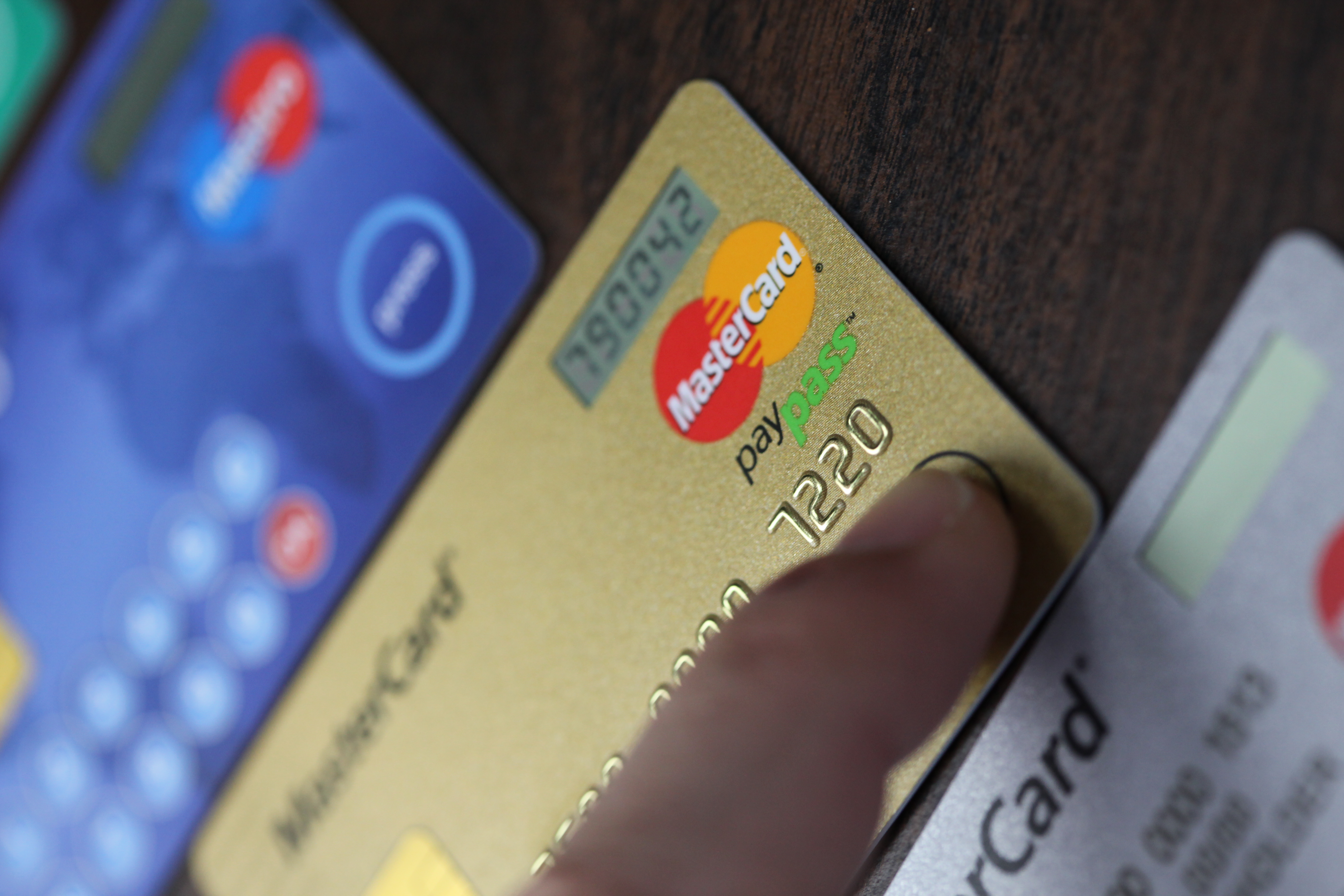
Chip Card Shift Projected To Be Nearly Done By 2017

As the Oct. 1 deadline for the EMV merchant-liability shift inches closer, there’s going to be a lot more reports about which type of merchants are ready, and which aren’t.

Image source: Article
There’s also going to be plenty of reports on which issuers have their credit and debit cards EMV-chip enabled (and which are behind).

Read the full article.

THE BANKING INDUSTRY'S BIGGEST MOBILE CHALLENGE? MESSAGING

In recent years, the American Bankers Association (ABA) has emphasized that mobile banking is a major growth area for its industry.
Image Source: Article
The challenge, though, may be the messaging, not the technology.

Read the full article.

Tuesday, May 5, 2015

Anti-sandbox capabilities found in Dyre malware

A new version of Dyre malware, which recently reemerged to plague financial institutions in the form of the Dyre Wolf campaign, is now employing anti-sandbox techniques to avoid security professionals and pose a more insidious threat to financial enterprises.

Image Source: Article
New research from cloud-based security firm Seculert revealed that Dyre is capable of bypassing sandboxes by checking the system for processor cores. If only one core is found, Dyre terminates instantly.

Read the full article.

Stop Sending Me Threat Intelligence in Email

I’ve been talking to many different organizations recently about their sources of threat intelligence, and one thing I’ve heard numerous times is that some of the most timely, valuable threat intelligence they are receiving is via email.

Image Source: Article
I’ve even heard that we’ve made some progress with STIX, as sometimes STIX content is attached to the emails—poor TAXII must feel so left out.

Read the full article.

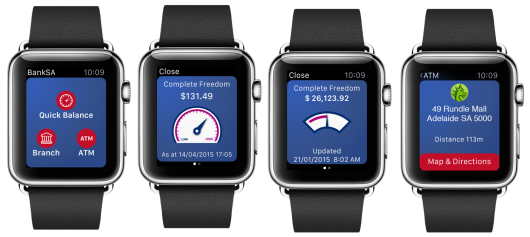
Banks and Credit Unions Decide Whether to Support Wearables

The official inauguration of Apple Watch brings great expectations inclusive of changing the way we think about how to gather data and turn it into information. Until now, achieving information gathering meant entering information via keyboard, voice or video.

Image source: Article
More and more, bank and credit union customers prefer to bank wherever they are, using their smartphones, tablets or wearables as the remote control for their financial management. If consumers are using mobile-connected devices to streamline their to-dos, then what is next for these tiny, mobile computers?

Read the full article.

Monday, May 4, 2015

Why Has Mobile Banking Growth Stalled? Blame Hackers

After several years of dramatic growth, the adoption rate for mobile banking in the U.S. has slowed dramatically. Those who like to bank this way are doing it more often, but the industry is struggling to get more customers to go mobile.

Image source: Article
A recent report from the Federal Reserve (Consumers and Mobile Financial Services 2015) found that 52 percent of smartphone owners with a bank account did at least one mobile banking transaction last year. That's not much of an increase from the 51 percent reported in 2013.

Read the full article.

New payment systems put consumer data at risk: Ponemon

With new payment systems comes more risk to consumer data, a new survey indicates.

Image Source: Google Images
About 68% of payment-systems professionals say pressure to migrate to new payment systems puts customer data at greater risk instead of making it safer, according to a new survey by Experian and the Ponemon Institute.

Read the full article.

Takeaways From the 2015 Verizon Data Breach Investigations Report

Verizon’s annual Data Breach Investigations Report (DBIR), published since 2008, has become one of the most anticipated information security industry reports.

Image Source: Article
Think of it as the Data Breach Bible, as it dissects thousands of confirmed data breaches and security incidents from around the globe into emergent and shifting trends, providing us with insightful guidance to apply to our own security practices.

This year’s publication compiled the data of nearly 80,000 security incidents and more than 2,000 data compromises from 61 countries. The contributions from dozens of forensic firms, service providers, government agencies and international Computer Security Information Response Teams (CSIRT) help provide detailed findings based on 2014 incident and breach data.

Some of the items presented include:
  • Victim Demographics
  • Breach Trends
  • Indicators of Compromise
  • Phishing
  • Vulnerabilities
  • and more...
Tripwire has done a fantastic job at summarizing a number of the key findings for us.

Read the full article.

This post brought to you by: Read the full article.

Saturday, May 2, 2015

Three Keys to a Successful Cybersecurity Defense Program

Normally, the bait used to get the attention of senior accounting and finance members were topics like, “Trends to Fund Your Next Acquisition,” “Key Tax Strategies for the New Millennium,” “How to Attract and Retain High Performing Teams,” etc.

Image Source: Article
However, recently, I’ve noticed a new topic cropping up about this new business risk of “protecting your data” and “cybersecurity defense.”

Read the full article.

Friday, May 1, 2015

Forrester estimates that broad EMV chip adoption is half a decade away

Forrester Research predicts that “broad adoption” of plastic EMV chip-and-signature and chip-and-PIN payments in the U.S. will take several years, despite the looming fraud liability shift taking effect in October.

Image Source: Article
In a new report (PDF)published this week, called “Prioritize Tokenization to Secure the Payment Chain,” co-authors Andras Cser, Ed Ferrara and John Kindervag, said that widespread EMV adoption wouldn't occur until 2020.

Read the full article.

Thursday, April 30, 2015

Regulator Sets New Rules on Credit-Union Membership

The chief regulator of U.S. credit unions passed a new rule designed to curtail how some in the industry gather new members, a move credit unions say is too tough and rival banks say is too weak.

Image source: Article
The National Credit Union Administration, the regulator for the more than 4,000 federally chartered credit unions, on Thursday approved final rules that prohibit credit unions from setting up charities and other associations designed solely to attract customers who otherwise wouldn’t be eligible for membership.

Read the full article.

Payment Innovation Outpacing Security: Study

Security hasn’t kept pace with technology and there is widespread concern that new payment technology such as virtual currencies, mobile payments and e-wallets increase a breach risk, according to a new study.

Image source: Article
The study found that emerging payments technologies coming in the wake of 2014’s mega retail breaches are threatening a landscape in which financial institutions, retailers, payment processors and credit card brands are facing more scrutiny than ever before.

Read the full article.

Credit Unions May Partner With Bitcoin Exchanges to Offer Competitive Products

Credit unions may consider partnering with Bitcoin exchanges such as Coinbase if they are to continue offering competitive international payments services to their customers.

Image source: Article
In the report titled Understanding Bitcoin’s Implications for Credit Union Services, the group touches upon the two grave concerns stemming the rise of Bitcoin, High Volatility and Security. Should the digital currency’s volatility reduce to generally acceptable levels and the security of private keys is ensured, credit unions may replace their core functions with Bitcoin.

Read the full article.

The Opportunity (In New Members, Revenue) For CUs In Mobile Wallets

In financial services, nobody builds personal relationships like credit unions can—and nobody understands your credit union’s members better than you do.

Image source: Article
More and more members want to connect with their credit union through the mobile channel.

Read the full article.

Next Frontier for Mobile Payments: Adding Loyalty Programs

Even as credit unions are figuring out the emerging space that is mobile payments, there already are glimpses of the next frontier — adding loyalty programs to mobile.

Image source: Article
For years the concept of loyalty was simple: consumers used their credit and debit cards to make purchases and earned rewards by doing so. With the advent of mobile payments, however, suddenly the picture becomes much murkier.

Read the full article.

Design Is The New Differentiator In Mobile Banking

As understanding of basic mobile banking applications increases and the differentiation between mobile banking apps becomes less defined, the importance of mobile design takes center stage. The key is to combine functionality with simplicity.

Image source: Article
A study from the Federal Reserve shows that there are untapped markets waiting for mobile banking. Millions of consumers are going to start banking on mobile in the next twelve months. But millions more aren’t interested.

Read the full article.

Wednesday, April 29, 2015

Self-Service Payment Revolution Keeps ATMs Relevant

The fact that ATM fee hikes still cause controversy shows consumers still demand ATMs, even in an era when payments and other transactions seems to be moving to a mobile platform.

Image source: Article
It is the self-service component of mobile and other digital payment and financial transaction technology that is actually contributing to ATMs' health.

Read the full article.

How Banks and Credit Unions Protect Your Personal Information

From regularly changing passwords to safeguarding credit card numbers, there’s no shortage of ways to protect yourself from hackers who are dead set on stealing your personal information. What may be less familiar, though, are the measures that financial institutions take to protect this data.

Image source: Article
Hackers can be relentless and difficult to stop. But that doesn’t mean financial institutions aren’t doing what they can to thwart them, or that the government hasn’t recognized the severity of the threat.

Read the full article.